
Growing the Next Generation
of Conservationists
From elementary school campouts to hands-on conservation crews, we create opportunities for young people to build curiosity, confidence, skills, and a lasting connection to place.
More than a Field Trip
Youth education is more than a day in the woods. Our youth education programs create ongoing opportunities for young people to build relationships with the natural world. We work directly with schools, homeschool groups, families, and youth crews to provide experiences that grow with students, from discovering their first animal track to gaining hands-on conservation skills.
Children and young people don't just learn about conservation by reading about it. They build a relationship with the natural world by spending time outside, asking questions, getting their hands dirty, and experiencing themselves as part of the landscape.
Providing Opportunities for Every Stage of Learning
Discover: Children develop curiosity and a sense of wonder through hands-on experiences in the natural world.
Explore: Students deepen their understanding of wildlife, ecosystems, and the landscapes around them.
Practice: Participants build practical field and conservation skills through hands-on experience.
Lead: Older students take on responsibility, contribute to real conservation work, and grow as stewards and conservation leaders.
Our Programs
-
School Partnerships
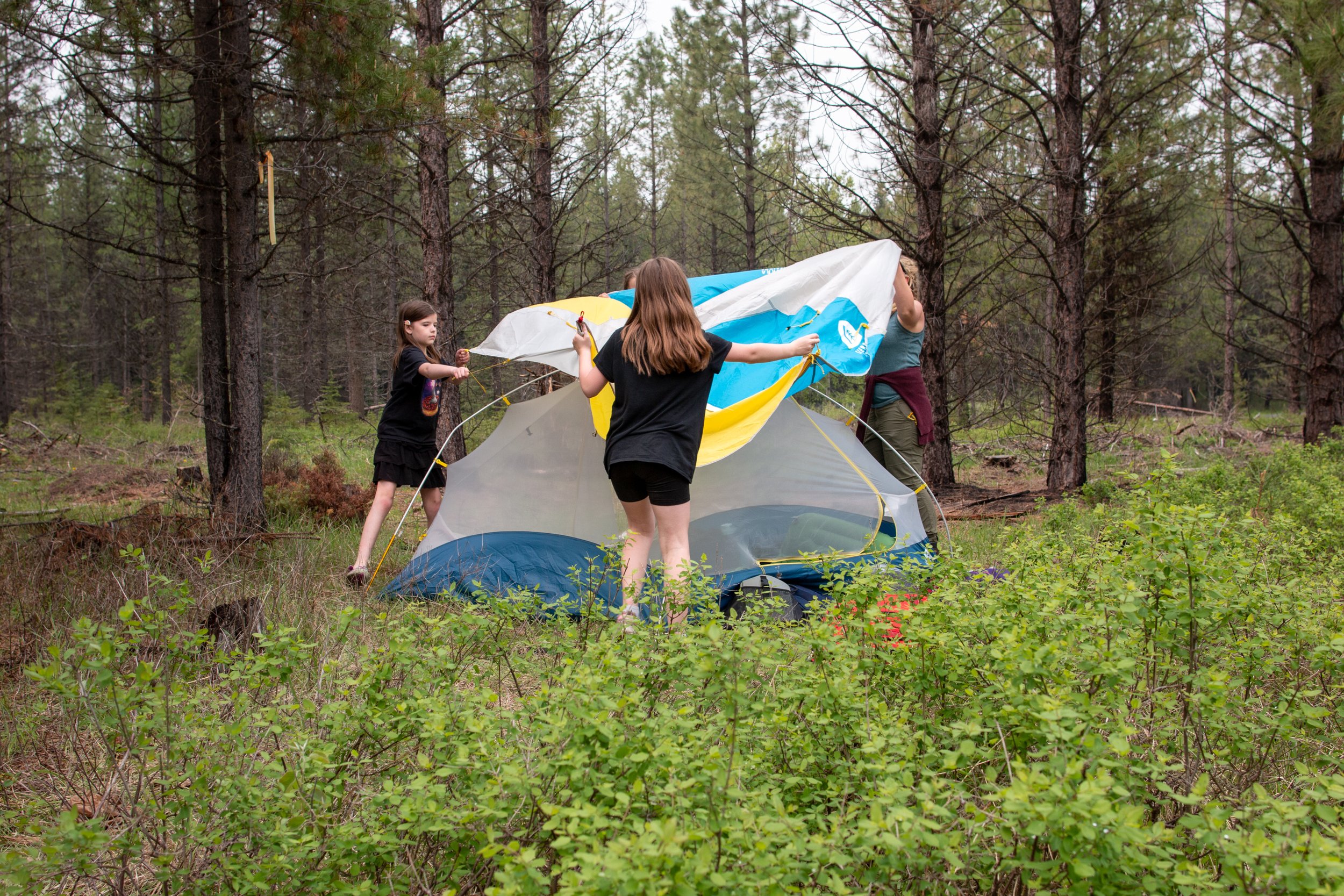
Bigfork Elementary School 5th Grade Camping Trip: A multi-day, immersive outdoor experience where fifth graders camp on the Swan Legacy Forest and explore the ecosystems around them through hands-on activities in ecology, wildlife, watersheds, and more. Students build confidence, deepen their understanding of the natural world, and experience what it means to learn and live together outdoors.
Swan Valley School: Since the 2024–2025 school year, SVC has provided environmental education programming throughout the school year, giving students repeated opportunities to learn outdoors and build a lasting connection to the ecosystems right outside their school. Each month focuses on a different natural history theme, such as rivers, forests, fire, snow, birds, bears, insects, and wetlands. Through hands-on activities, students explore ecology and conservation while making connections to their broader learning. Throughout each school year, students also keep nature journals, documenting their observations and reflecting on their experiences. By returning to the same place again and again, students have the opportunity to notice change, deepen their understanding, and develop a meaningful connection to the landscape they call home.
-

Community Youth Programs
SMAAART Friday Clubs - Learning Outside the School Day Through the SMAAART program, SVC provides hands-on science and conservation experiences for homeschool students in the Swan Valley. Our clubs give young people opportunities to explore the natural world through engaging, place-based activities that extend learning beyond the traditional classroom.
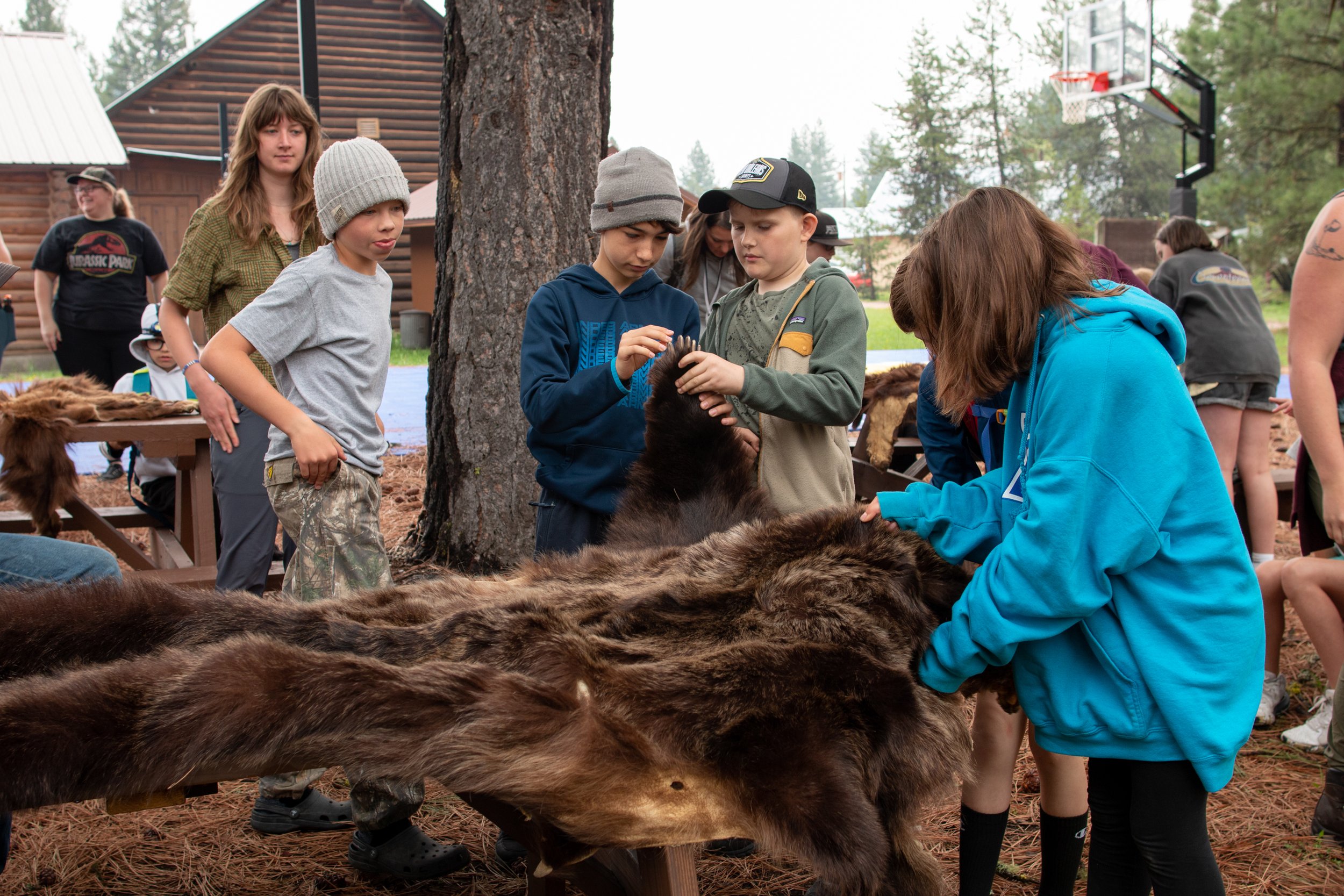
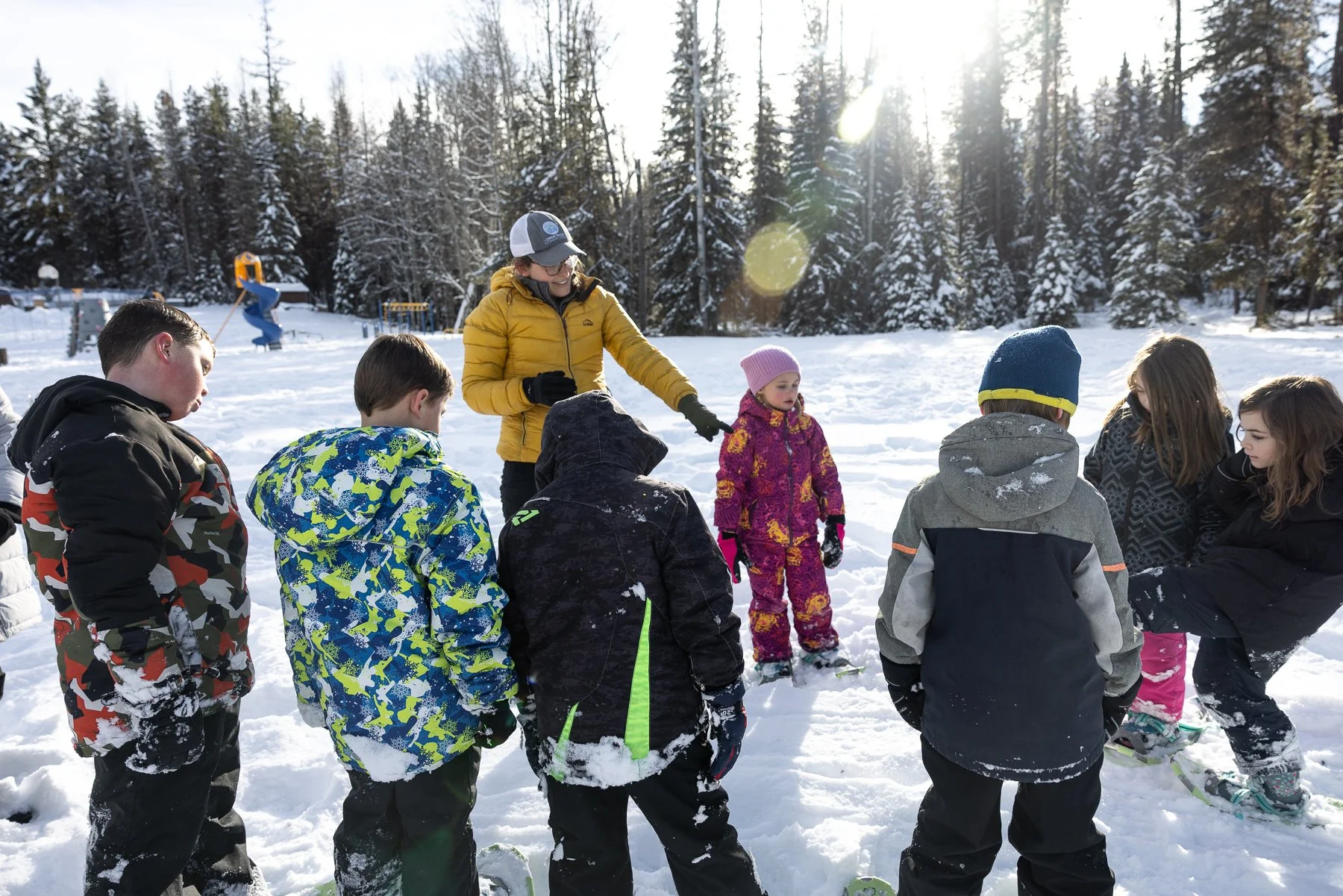
Past clubs have included Backyard Explorers, where students explored stream, pond, forest, and fire ecology through hands-on water quality testing and forest measurements; Snow Science, where younger students explored the science of snow and the wildlife that depends on it; and Anatomy Club, where students learned about animal anatomy through hands-on exploration of skulls, pelts, dissection, and taxidermy.
-
Youth Conservation Crews
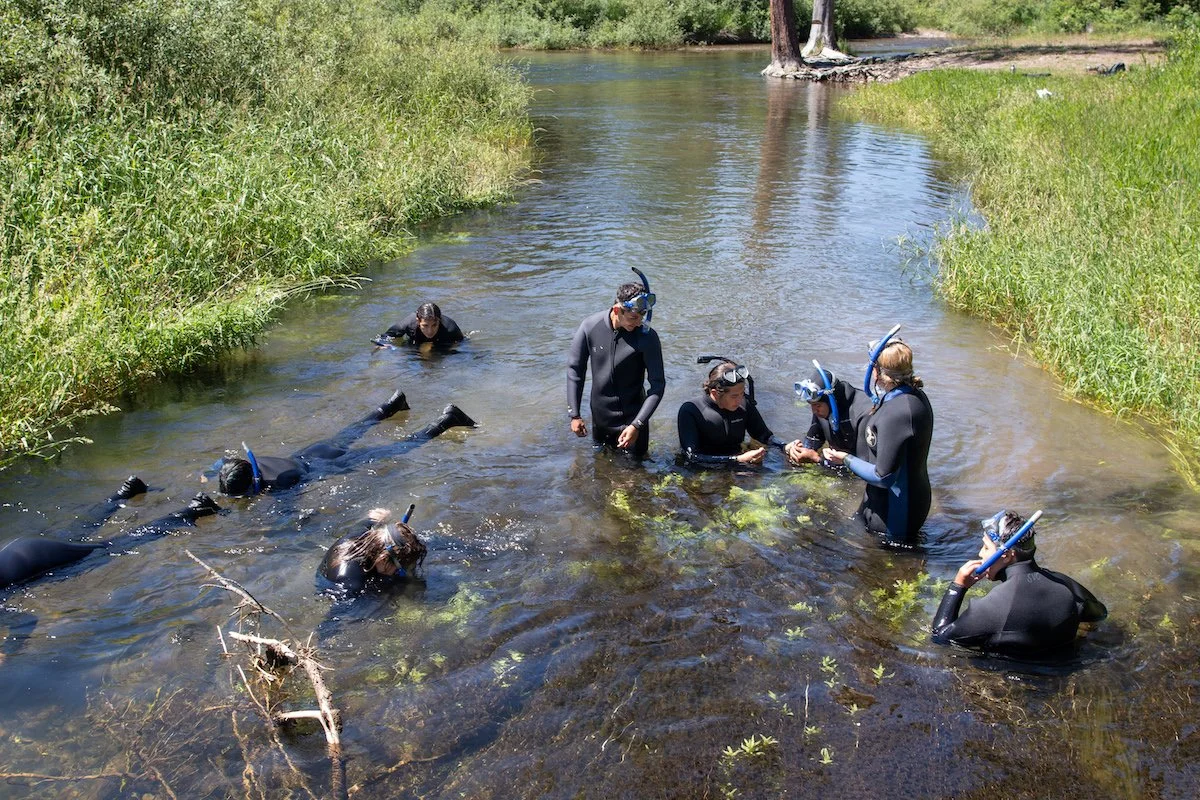
Mission Mountains Youth Crew: Young People Doing Conservation:The Mission Mountains Youth Crew provides Native high school students from throughout the Flathead Reservation with hands-on experience contributing to real conservation projects across the Flathead and Swan Valleys, within their ancestral homelands. SVC connects crew members with natural resource professionals and field projects in the Swan Valley, facilitating opportunities to build practical conservation skills, explore careers in natural resources, and develop deeper connections to the lands and communities they call home.
The program is a partnership between the National Forest Foundation, Salish Kootenai College, Confederated Salish and Kootenai Tribes (CSKT), U.S. Forest Service, Swan Valley Connections, Bob Marshall Wilderness Foundation. Through the program, youth participate in monitoring and research, stewardship and restoration, and career exploration. Past projects have included pollinator surveys, inventories of culturally modified trees, aquatic macroinvertebrate and native fish surveys, lynx habitat and wildlife monitoring, fuels mitigation, trail maintenance, invasive species removal, and removing outdated fencing to improve wildlife movement.
CharkoostaArticle: “From Trails to Traditions”
Swan Valley Youth Crew: Building a Pathway into Conservation Coming Soon SVC is developing a Swan Valley Youth Crew for high school students, creating opportunities for local teens to develop conservation and field skills while contributing to projects in their own community.
-
Family Programs
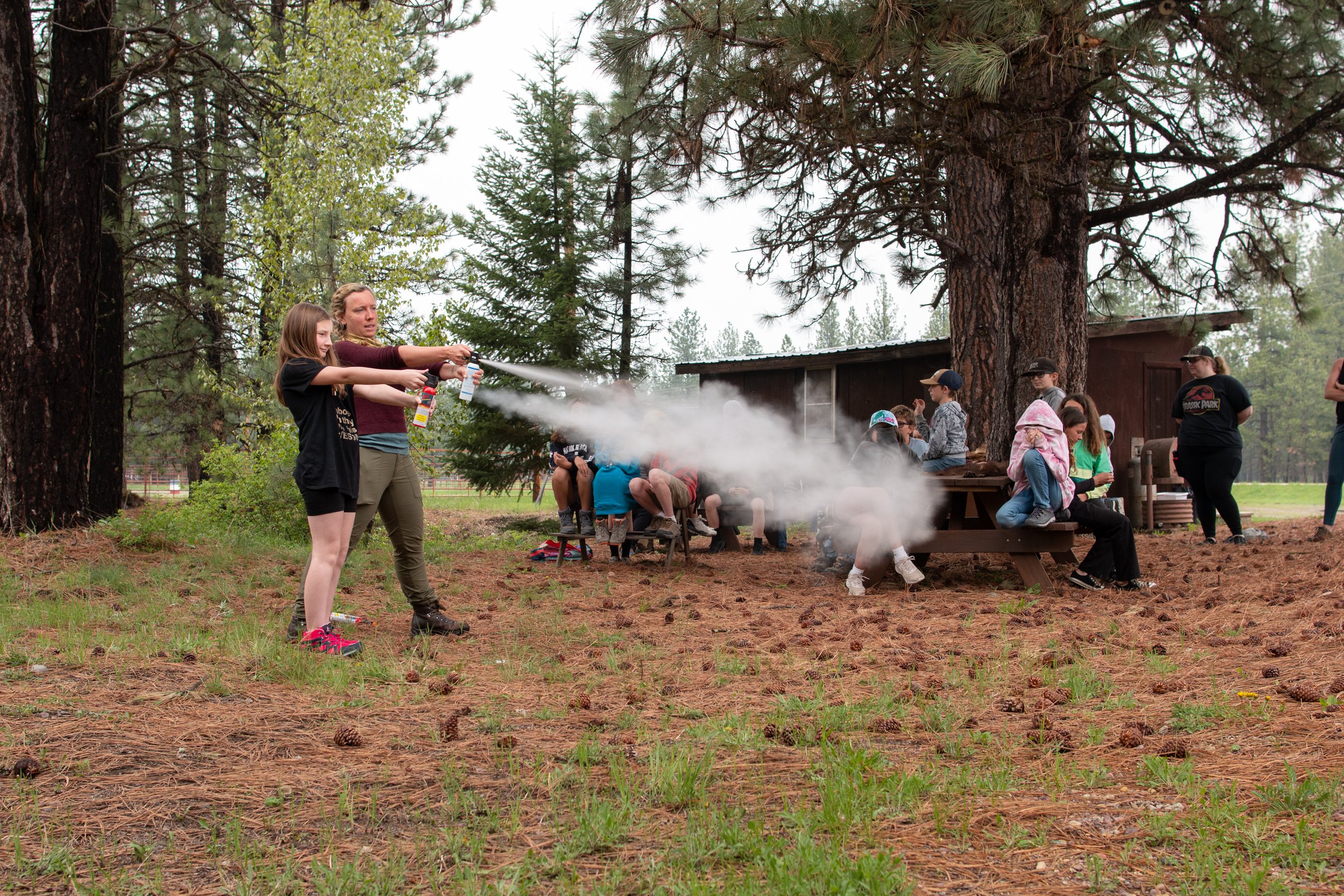
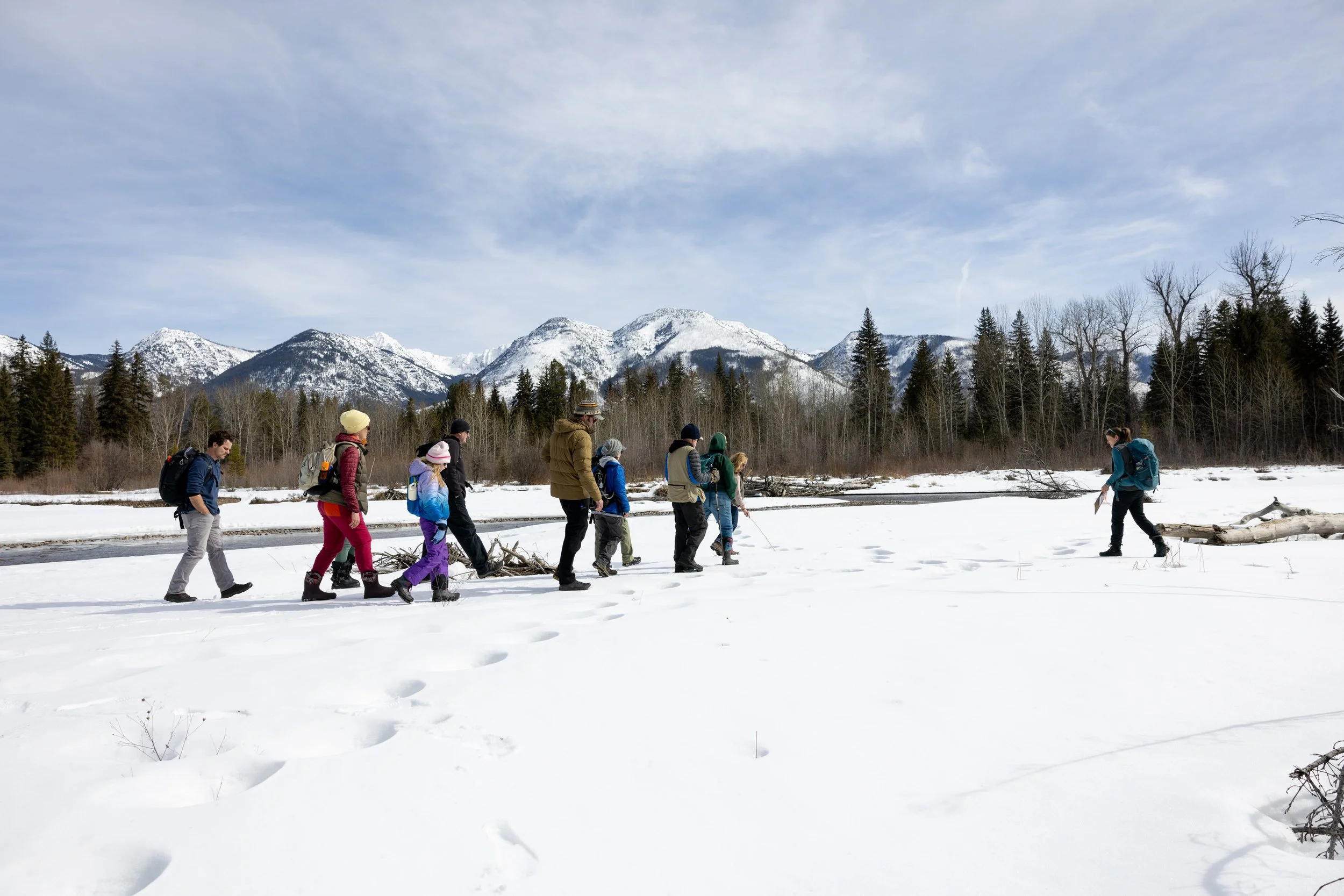
Wildlife Tracks & Sign: Wildlife Detectives: Family-friendly tracking programs invite young people and adults to slow down, look closely, and discover the stories wildlife leave behind. Participants learn to identify animal tracks, recognize gait patterns, measure stride and straddle, and interpret other signs such as scat, fur, and feeding activity. Through hands-on exploration, families develop a deeper understanding of local wildlife and learn to read the landscape like a nature detective.
why this work matters
Through our youth education programs, SVC provides opportunities for young people to:
Explore: Discover the plants, animals, waterways, and landscapes around them.
Build Skills: Practice observation, field science, tracking, outdoor skills, and conservation techniques.
Build Confidence: Develop independence, teamwork, problem-solving, and leadership.
Build Connection: Develop a sense of belonging and responsibility to the places they call home.
Take Action: Move from learning about conservation to participating in it.
Our youth education is largely funded by private donors; your support is necessary to make these opportunities, and more, possible.
If you’d like to contribute to our programs, please reach out to Taylor Tewksbury.