
Our Mission, Vision, & History
Our Mission
is to inspire conservation and expand stewardship in the Swan Valley and beyond.
Our Vision
is that through exemplary stewardship, the Swan Watershed and adjacent landscapes remain wild, resilient places, where all people are connected to the natural world.
Our History
The story of the Swan Valley and the broader Crown of the Continent is a rare and powerful example of what can be protected when people come together to save the places they love.
Swan Valley Connections started in 1997 as two separate organizations - Swan Ecosystem Center (SEC) and Northwest Connections (NwC). The two merged in 2016 to become Swan Valley Connections.
SEC was founded by a group of individuals who were initially part of the Swan Citizens' Ad Hoc Committee; this included Rod Ash, Bob and Sue Cushman, Anne Dahl, Neil Meyer, Tom Parker, and Mary Phillips. Anne Dahl served as the executive director from 1997-2013.
NwC was founded by Tom and Melanie Parker and Andrea Stephens in 1997.
SEC focused on youth education, private land stewardship, and USFS collaboration; NWC focused on college education, agency contracting, and natural resource monitoring and management; SVC does all of these things.
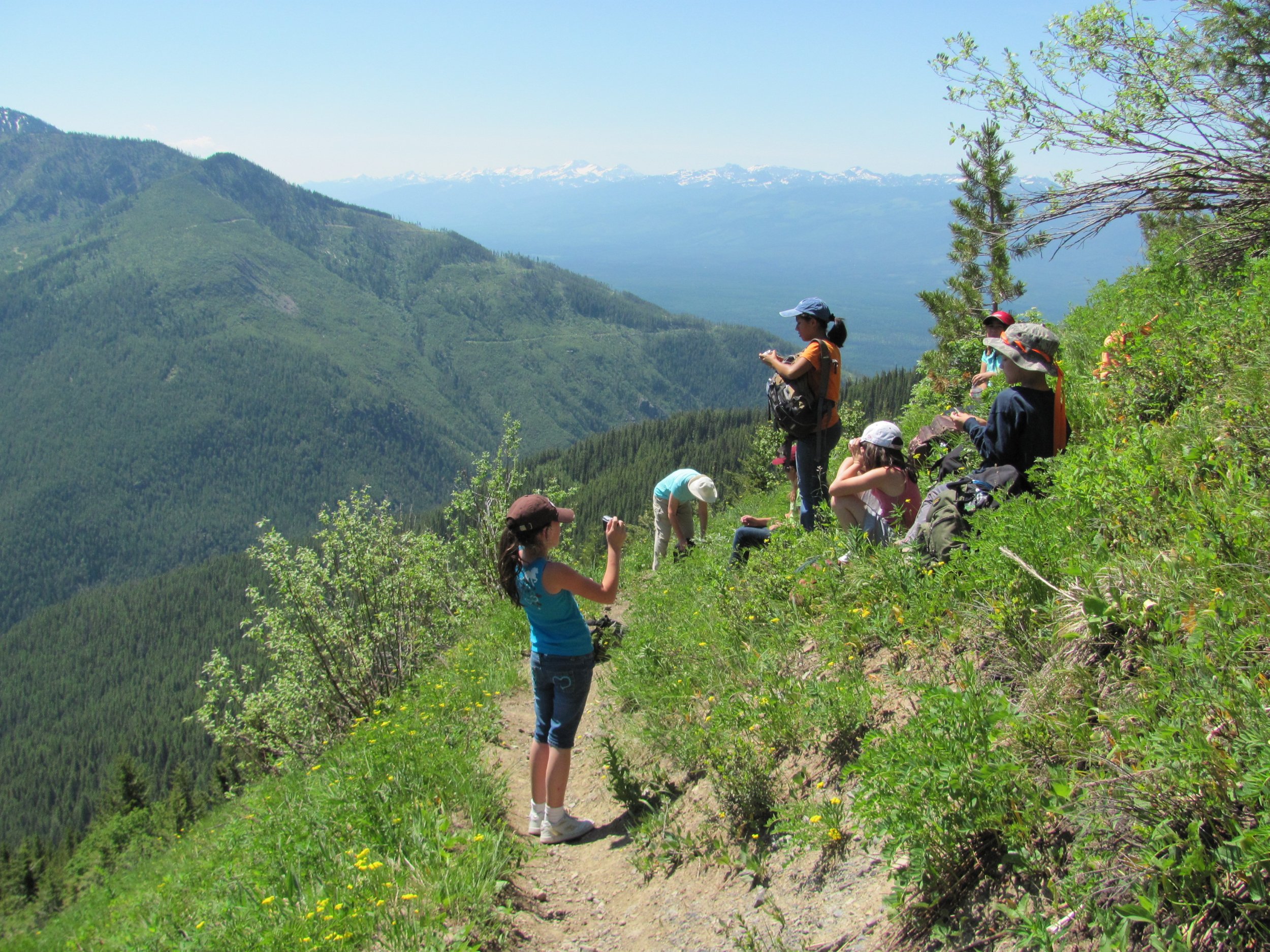
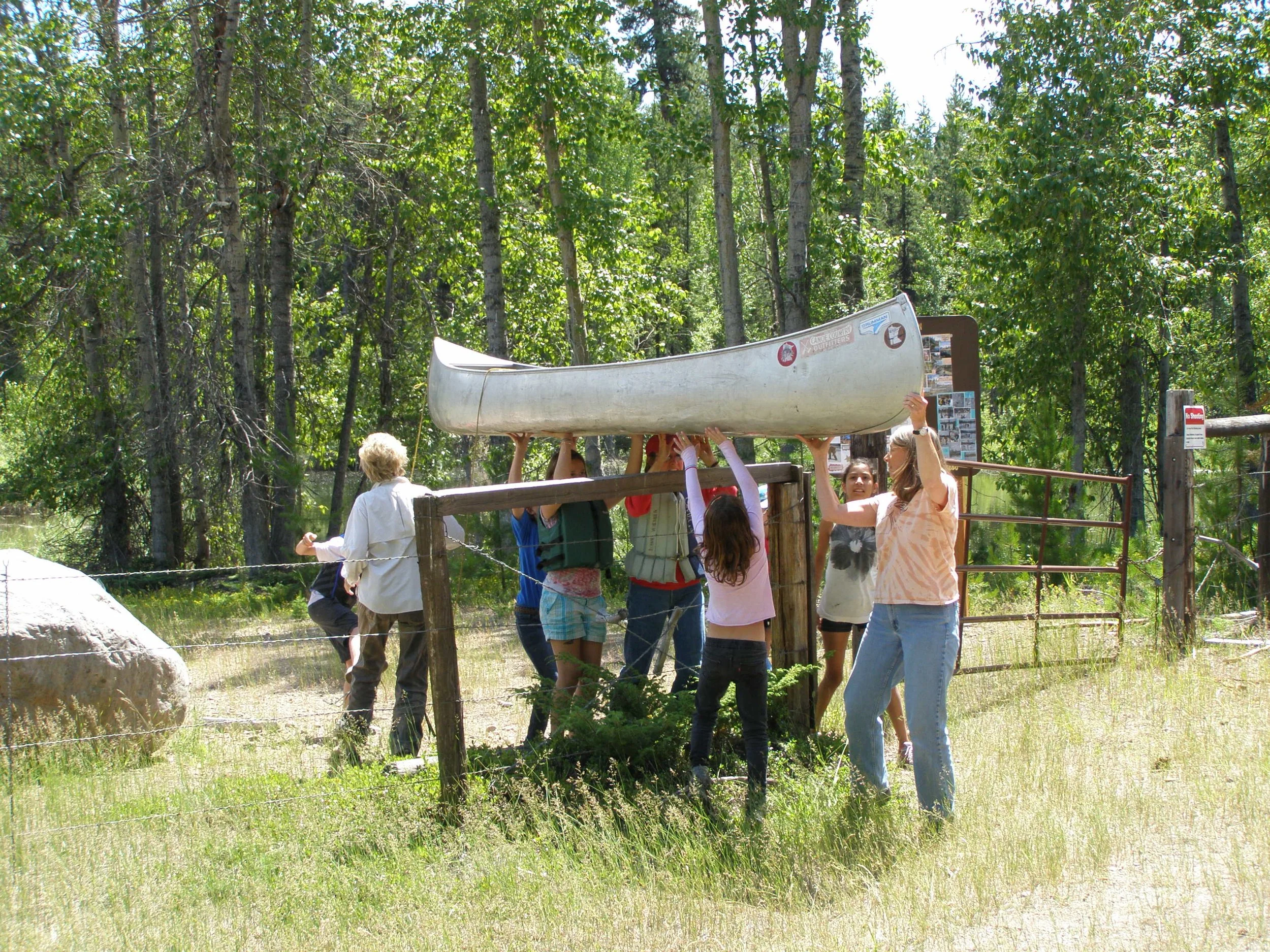
The Montana Legacy Project (MLP), initiated in 2007, is a large-scale conservation effort focused on protecting 310,000 acres of forestland in northwestern Montana, previously owned by Plum Creek Timber Company. The project, led by The Nature Conservancy and The Trust for Public Land, with involvement from SEC, NwC, and other conservation partners, aimed to conserve this land within the Crown of the Continent ecosystem by transferring it to a mix of federal, state, and private conservation ownership.
The Nature Conservancy gifted the last piece of the MLP puzzle in the Sawn Valley, 160 acres across from the Community Hall, to SVC in 2019, with the intention that it be used for conservation and education in perpetuity.
It became known as the Swan Legacy Forest.

We Value
The responsibility to protect one of the last best, wild places on Earth.
The abundance of public lands, the legacy that led to their conservation, and our responsibility to protect and steward them in perpetuity.
The critical role private land stewardship plays in maintaining high quality habitat and the health of the land and all its inhabitants.
Experiential learning that informs and inspires individuals of all ages and backgrounds to care for the natural world and be leaders in conserving it.
Partnerships and collaborative decision-making that integrates science and local knowledge to support sustainable land management practices.
Traditional ecological knowledge and the role of tribal people in current and future conservation, as the Swan Watershed has been used by many tribes and is the aboriginal land of the Salish and Kalispel people.
Community involvement and the use of local, qualified contractors and the work it provides for the regional economy.