
Perspectives: The Wild Swan Valley in Comparison to Yellowstone National Park
By Luke Lamar
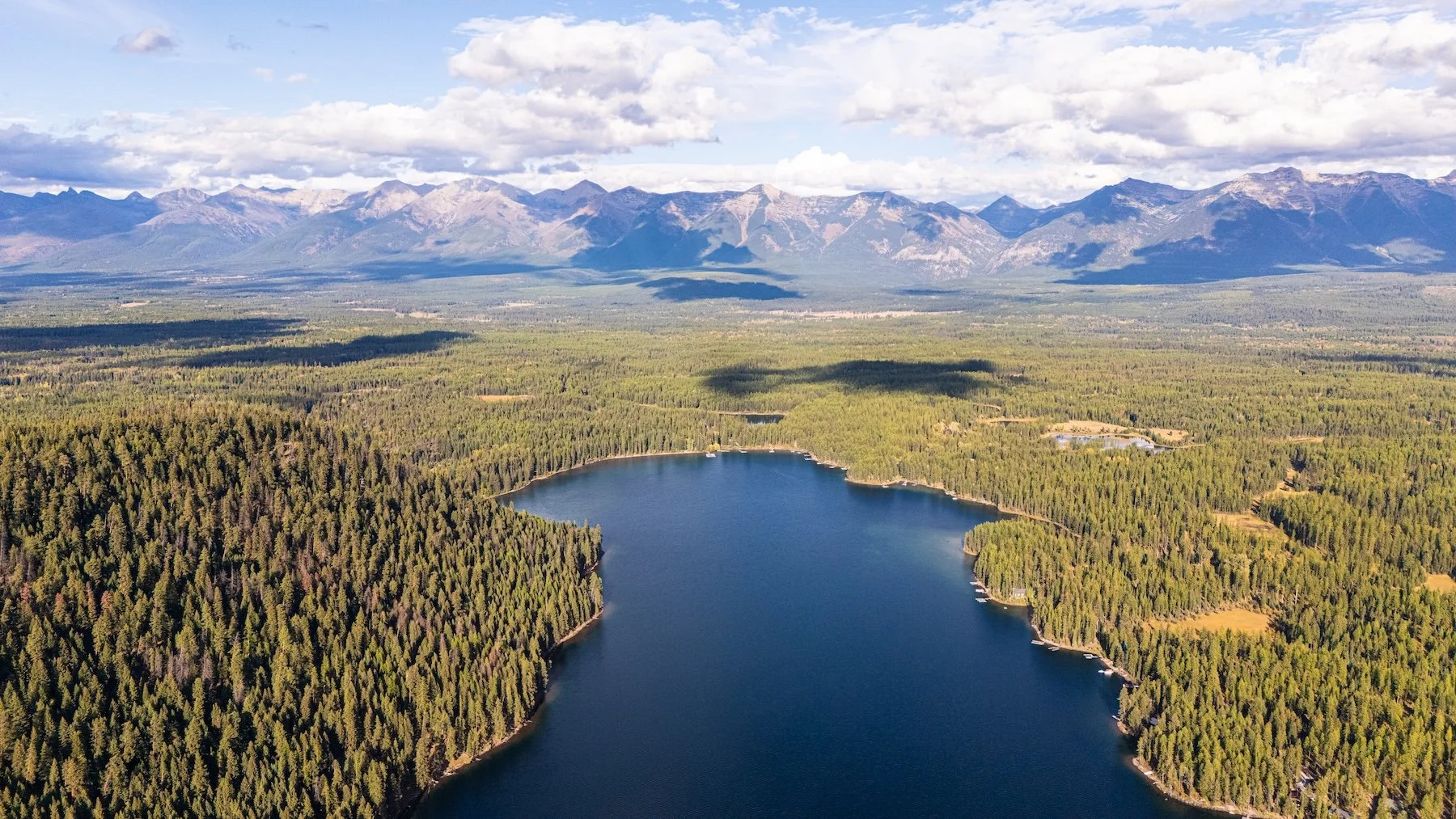
Photo by Riley Rice
Yellowstone National Park is an iconic landscape that is world-renowned and unique. Geysers, hot springs, fumaroles, and mud pots spout from the earth unlike anywhere else on the planet. Wildlife is easily viewed by the millions of people that visit this magnificent park every year. As the nation’s first national park, it has a rich history of not only land preservation but of wildlife recovery. Bison and elk are now commonly observed; both having survived continent-wide slaughters in previous centuries that nearly wiped them off the face of the earth. Their story is of resilience and restoration, and the few individuals that once remained within the park’s boundaries have since grown in numbers. Ultimately, some bison and elk from the Yellowstone herds have been transplanted to other states to restore these species to other parts of their historic range. Wolves were extirpated from the landscape until their reintroduction in the mid-1990s, and have thrived in the ecosystem since, restoring a delicate balance between predator and prey. Along with the abundance of wildlife and unique thermal features, there are open vistas and ample wildlife viewing opportunities that a more mountainous, forested environment does not allow. As such, around 4 million people visit Yellowstone Park each year to take in the splendors that it has to offer.
The Swan Valley is not world-renowned (thank goodness) but is unique in some different ways: it is sandwiched between two wilderness areas, contains over 90% public lands, and is the wettest watershed in Montana, with 16% surface water. There are many conservation strategies and policies that have been implemented over time. These factors, along with connected habitat to other large, undeveloped landscapes in the Crown of the Continent Ecosystem, equate to an abundance of wildlife. But instead of wildlife existing in a protected park that has just one land management agency and mandate, the Swan is a patchwork of intermixed federal, state, and private lands that have different management mandates, policies, and regulations; it’s also a place where people live.
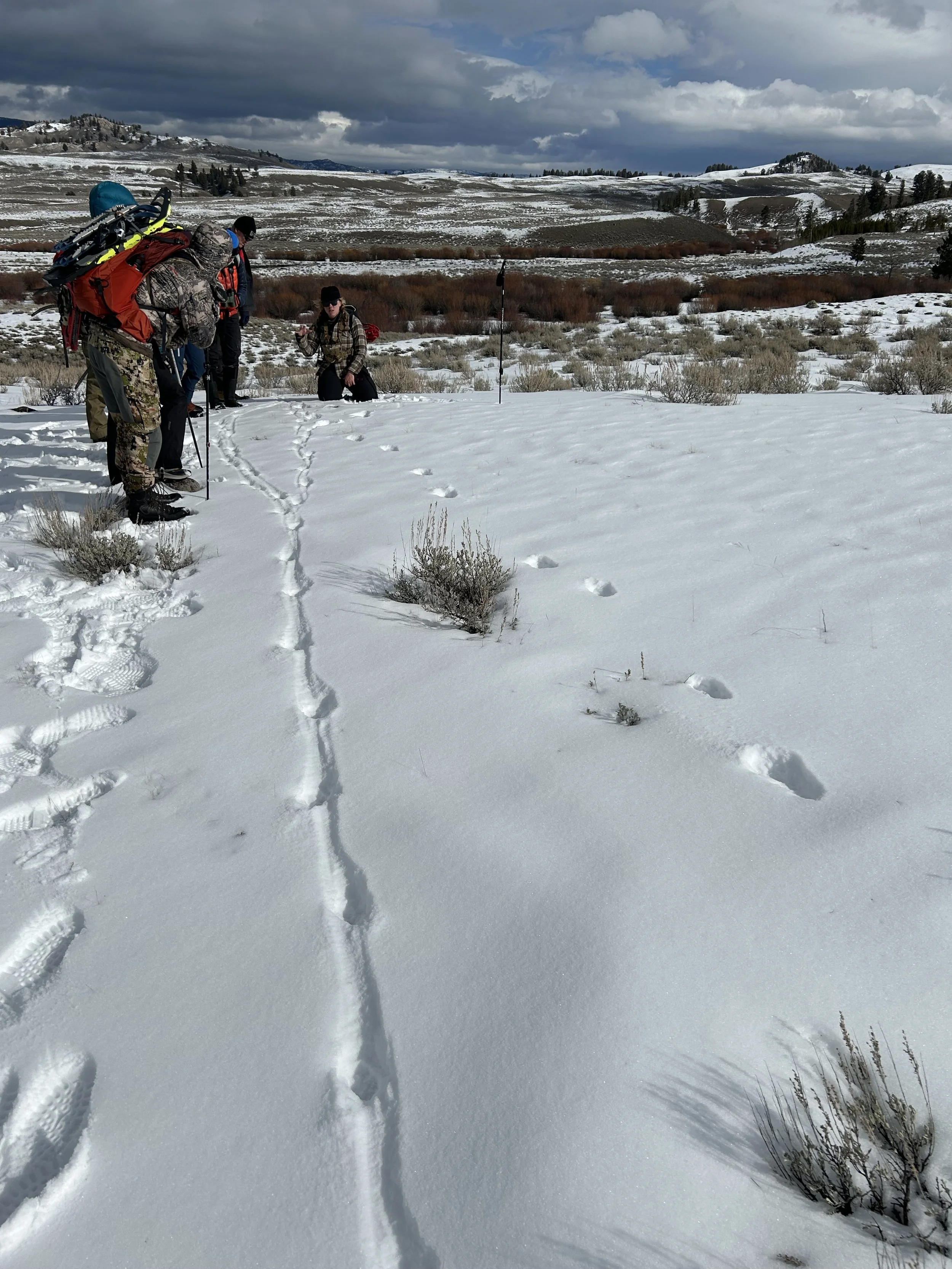
Sara and I recently taught a tracking class for Yellowstone Forever (YF), the official nonprofit partner of Yellowstone National Park, whose mission is to protect, preserve, and enhance Yellowstone through education and philanthropy. YF is a wonderful organization, and shares similarities with SVC. We were based out of the Lamar Buffalo Ranch, a field campus for YF and the National Park Service, in the famed Lamar Valley. Upon our arrival, we were immediately bombarded with the obvious question of our relation to Lucius Quintus Cincinnatus Lamar, whom the valley was named after when he was Secretary of Interior in 1885 under the Cleveland administration. The answer is yes, and I will leave that part of the story for another time. I’ll just state that the lovely Lamar Valley is much nicer than the person whom it is named for and probably deserves to be renamed by one of the many Indigenous Tribes that originally called Yellowstone home.
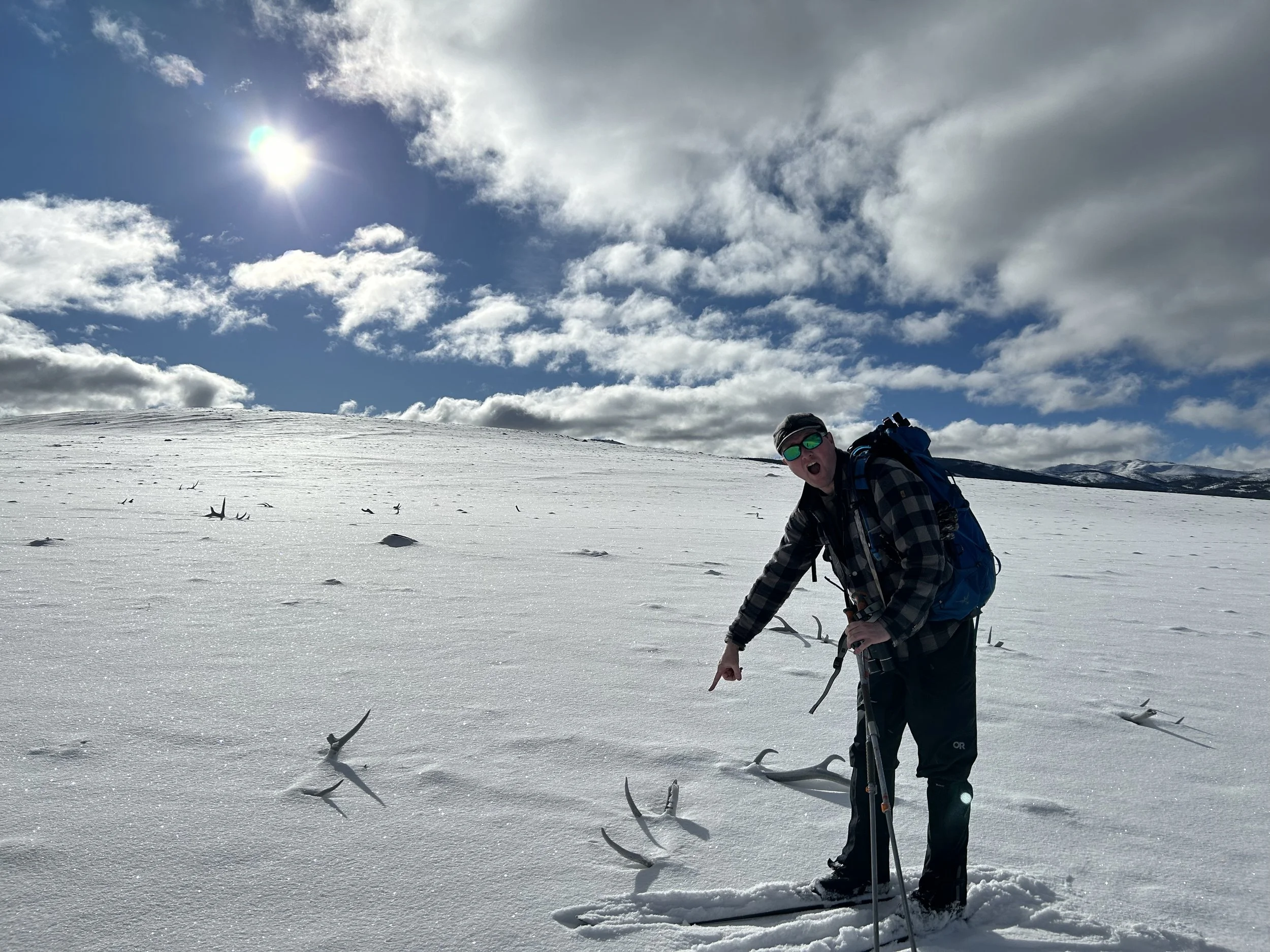
With 2.2 million acres to explore in Yellowstone Park, after spending several days scouting and then teaching the 3-day course, we had compiled an impressive list of wildlife observations, tracks, and sign. We tallied bison, elk, mule deer, bighorn sheep, pronghorn, moose, wolf, coyote, red fox, short-tailed weasel, pine marten, beaver, and many of the smaller mammals, such as bushy-tailed woodrats, snowshoe hares, red squirrels, voles, shrews, and deer mice. We also found bird tracks and sign from ravens, bald eagles, black-billed magpies, vireos, robins, and cliff swallows. We had several magical experiences while there. We showed the class where a wolf had chased a mule deer for a couple hundred yards (the mule deer won). We heard packs of wolves and coyotes howl. We found the largest beaver dam I’ve ever observed. We found a ridge covered in 34 elk antlers (it is illegal to take antlers from the park)!
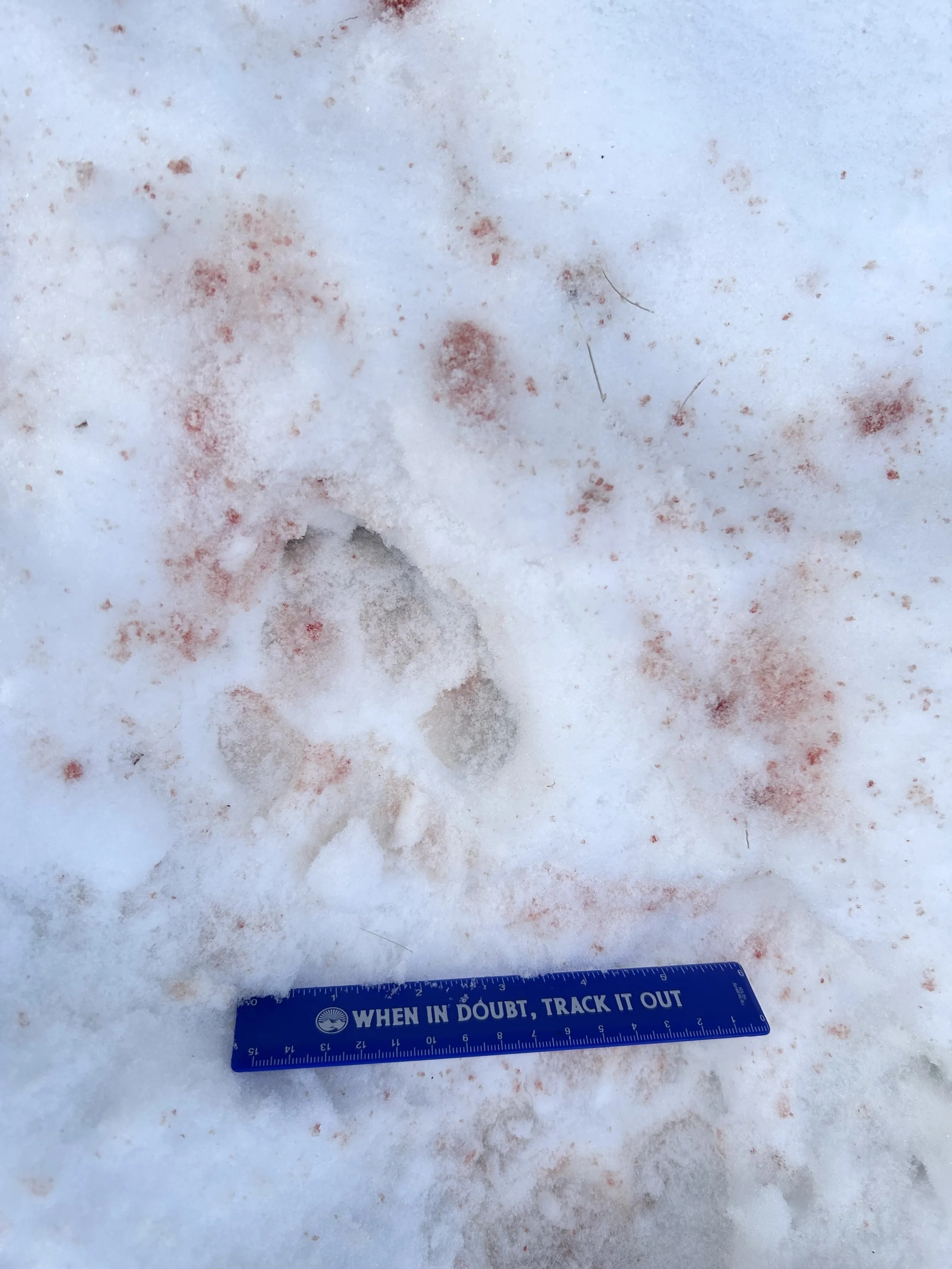
Blood-spattered wolf track
Despite having documented mountain lion tracks and sign in previous classes, we could not find any for this class. This is somewhat perplexing, as the buffet of ungulates in the park is seemingly “all-you-can-eat.” And of course, as researchers with a long history of tracking wolverines and lynx, we were constantly on the lookout for those species’ tracks, which are extremely rare to detect in the park. We also couldn’t locate a bobcat, mink, or otter despite seemingly great habitat for all three species.
Upon returning home to the wonderful, hidden gem that is the Swan Valley, we were greeted the following weekend with the opportunity to track a family of four mountain lions around for the day. A fifth female lion intermingled with the group as we tracked the cats for numerous miles, capped off with an exhilarating chase scene where a fawn whitetail deer barely survived. The next day, we traversed up into the mountains and in the span of a couple of miles had several wolf tracks, a lynx, and two wolverines running together, whom we happily tracked for the remainder of the day!
These experiences left me awestruck and with different perspectives on the similarities and differences between the wild places of Swan Valley and Yellowstone.
Both landscapes share a rich history of conservation. Yellowstone was the nation’s first national park, and following the land’s preservation, eventually served as a vital protected area for the restoration of bison, elk, and wolves. The Swan Valley also has a rich history of land conservation, culminating with the Montana Legacy Project, in which the Nature Conservancy and Trust for Public Land bought out 67,000 acres of former Plum Creek Timber Company land that were slated to be sold. Instead of subdivisions, development, and “no trespassing” signs, these lands were transferred to the US Forest Service and DNRC to preserve the legacy of these working lands for undeveloped wildlife habitat, human recreation, and historic uses, such as timber harvesting, firewood gathering, huckleberry picking, hunting, fishing, and more. Since private properties tend to lie in the valley bottom, along the river, streams, and wetlands, where there is often the most fertile, productive habitat, private land stewardship is paramount in providing high-quality habitat for wildlife. Private land stewardship comes with responsibilities that support healthy wildlife populations and habitat and is something to celebrate in the Swan Valley. Many people utilize conservation-minded best practices when managing their land, whether constructing wildlife-friendly fencing, maintaining patches of wildlife hiding cover, leaving dead standing snags, preserving or planting natural vegetation along waterways, using bear-resistant garbage cans, or building electric fencing around chicken coops and other bear attractants. The Swan Valley is a successful story of abundant wildlife alongside abundant human uses.
While Yellowstone boasts charismatic species that the Swan Valley does not, such as bison, pronghorn, and bighorn sheep, the Swan, in contrast, does seem to have an abundance of other charismatic carnivores, such as mountain lions, bobcats, otters, mink, lynx, and wolverines. As part of the Northern Continental Divide Ecosystem (NCDE), we boast roughly double the number of grizzly bears that the Greater Yellowstone Ecosystem (GYE) does. The Swan Valley is a more complex world for bears compared to Yellowstone. More people live in the Swan Valley, where a bear can wander through anyone’s backyard and where there may be a smorgasbord of tempting human foods, such as chickens, livestock, grain, compost piles, orchard trees, beehives, gardens, pet food, bird feeders, barbeque grills, and more. With a longstanding history of providing conservation strategies, such as bear-resistant trash cans, an electric fencing program, or bear awareness education events, SVC and partners have provided a successful model for grizzly bear conservation where there are more bears and more people residing on the landscape than in Yellowstone.
The mountainous portions of the Swan Valley have been shown to provide some of the highest densities of wolverines in Montana, thanks in part to our persistent snowpack at higher elevations, as well as habitat connectivity with other large, undeveloped ecosystems.
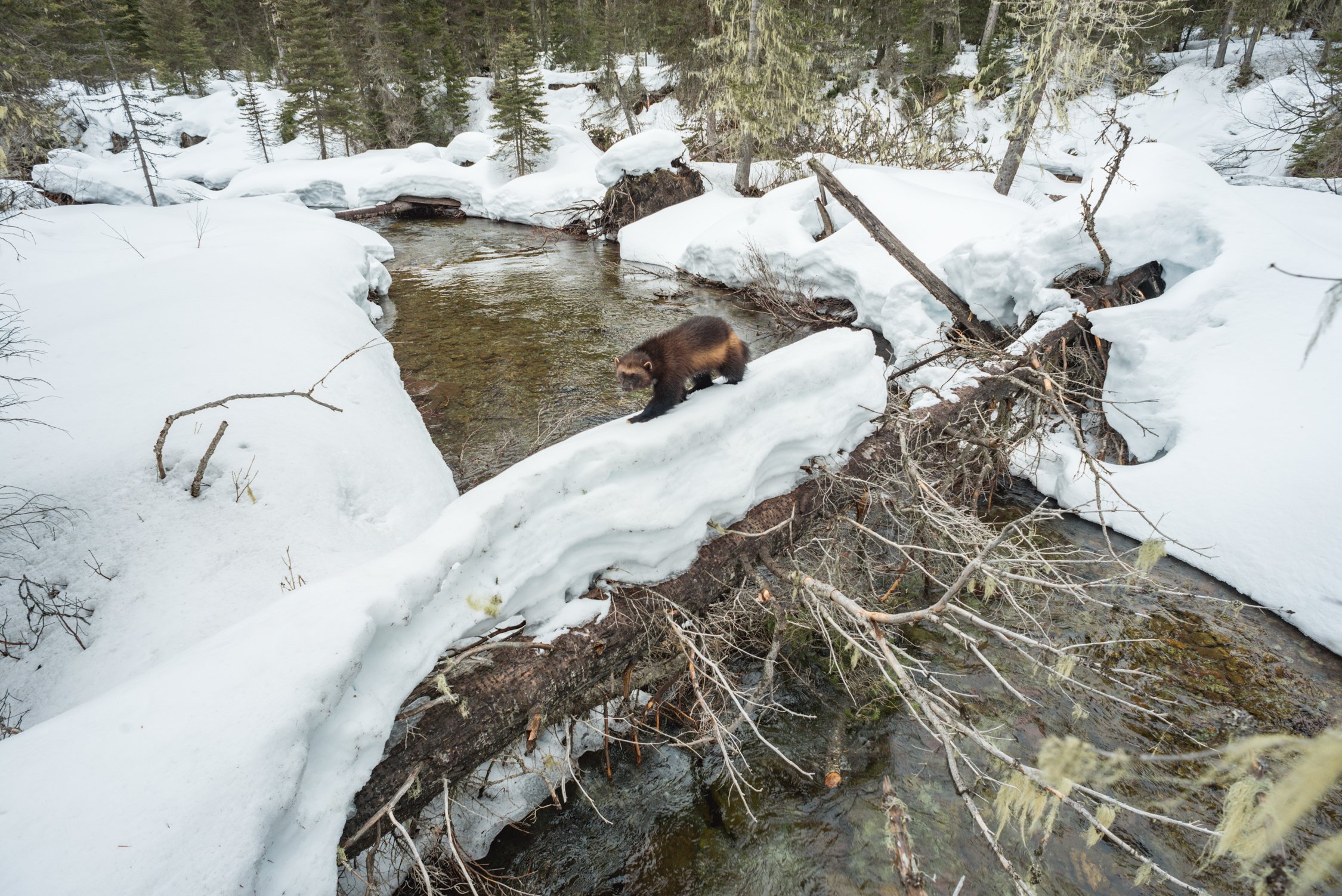
Photo by Steven Gnam
Canada lynx have made an incredible recovery in the Swan Valley over the past decade. Just this past winter, the Rocky Mountain Research Station collared nine lynx in the northern Mission Mountains alone.
As wolves were being reintroduced into Yellowstone, wolves were also naturally recolonizing Northwest Montana, expanding south from Canadian populations. Their recovery in the Swan now has wolves established in territories in most available niches valley-wide. The Swan also provides important habitat connectivity for far-ranging species, such as wolverines, lynx, and grizzly bears that may be dispersing south through the NCDE towards the GYE.
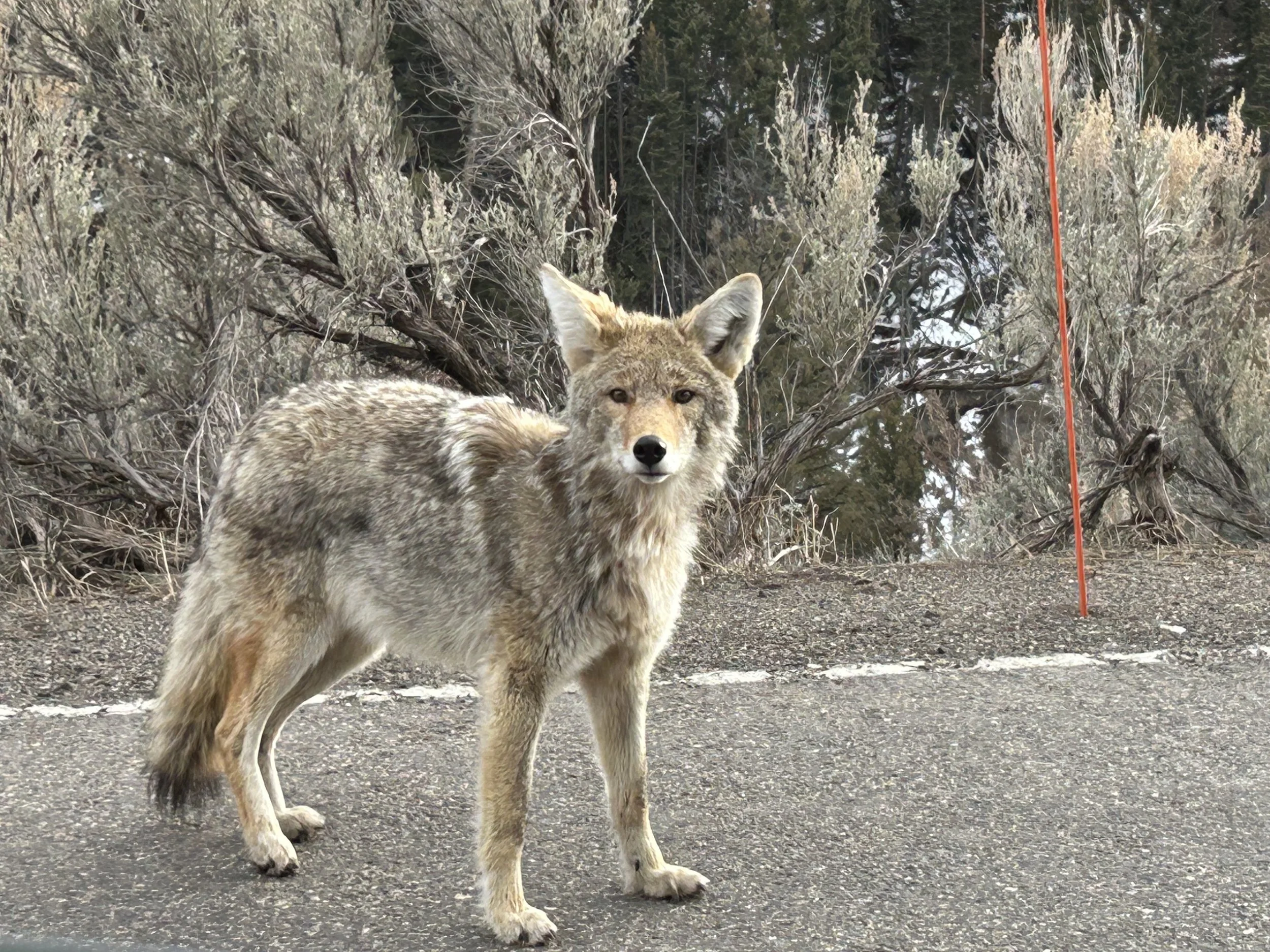
All animals inside Yellowstone Park are safeguarded by the National Park Services’ policies of no hunting or trapping. What might be more impressive about the Swan Valley is that these animals coexist with humans among differing land management ownerships and objectives. Many of the Swan’s animals are subject to hunting and trapping. Because of this, our animals are often cautious, wary, and wily. You don’t hear the wolves and coyotes howl as often as you do in Yellowstone. You’re not going to see a coyote walk up to your car as you drive by, looking for a handout, as we experienced in Yellowstone.
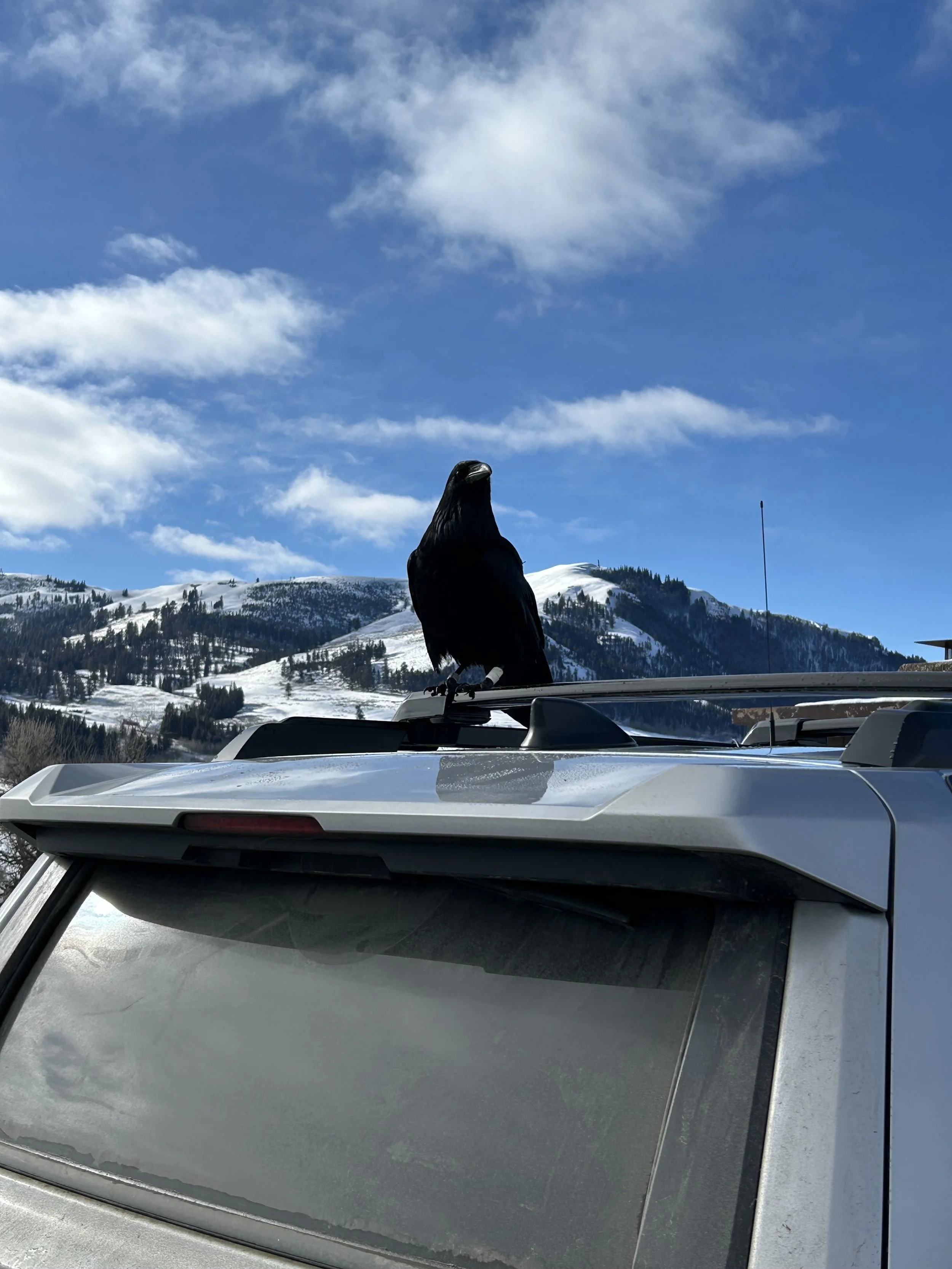
We don’t have pairs of ravens that seemingly live at the most popular pullouts, having mastered the art of begging for treats. How is it that we have more mountain lions than Yellowstone? The answer may lie in the Swan having more suitable contiguous forested habitat that lions prefer over the open grasslands, sage brush, and more open forests of Yellowstone, despite its greater abundance and diversity of prey species.
In a world that seems faster and busier than it needs to be, I’m always impressed with how time seems to slow down in the Swan. It’s an incredible, quiet place to call home and to help conserve and steward through our work at SVC. We often ask ourselves how we can give a place the recognition a place deserves without exploiting it to the masses?
Just yesterday, I stood over an exciting observation in the Swan, showing many in SVC’s tracking class their first wolverine track. Our classes are more than teaching participants how to identify different animal tracks and sign. Our classes also teach the history of wildlife conservation, animal ecology and habitat needs, threats to their survival, and hopefully inspire participants to care for the conservation of these species and the landscapes and policies that support them.
We are fortunate in Montana to have abundant public lands available for us to enjoy. Along with these priceless treasures, we are fortunate to have so many good stewards who provide invaluable habitat and conservation practices on their private lands as well. Combined, these places and people provide the necessary ingredients for an abundance and diversity of wildlife populations to share this special place we all call home.